FLASH NEWS: தனது நோபல் பரிசை டிரம்ப்பிடம் வழங்கிய வெனிசுலா எதிர்க்கட்சித் தலைவர் ***** இஸ்ரேலில் வாழும் இந்தியர்கள் பாதுகாப்பாக இருக்க வேண்டும் - தூதரகம் அறிவுறுத்தல் ***** போராட்டக்காரர்களை தூக்கில் போடும் திட்டம் எதுவும் இல்லை: ஈரான் அறிவிப்பு ***** ஈரான்: போராட்டத்தில் 3,428 பேர் பலி; 10 ஆயிரம் பேர் கைது ***** 75 நாடுகளுக்கு அமெரிக்க விசா வழங்கும் நடவடிக்கை நிறுத்தம்: டிரம்ப் நிர்வாகம் கட்டுப்பாடு ***** அமெரிக்காவின் பாதுகாப்பிற்கு கிரீன்லாந்து அவசியம் - டிரம்ப் ***** ‘ஈழத்தமிழர்கள் மீது நிகழ்த்தப்பட்ட பாலியல் குற்றங்களுக்கு இன்னும் நீதி கிடைக்கவில்லை’ - ஐ.நா. அறிக்கை ***** திபெத், மியான்மரில் 2 நாட்களில் அடுத்தடுத்து நிலநடுக்கங்கள்; மக்கள் அச்சம் ***** ஈரானை தாக்கினால் கடும் விளைவுகளை சந்திக்க நேரிடும்: அமெரிக்காவுக்கு ரஷியா எச்சரிக்கை ***** "இனி சீண்டினால்.." - சீனாவுக்கு ஜப்பான் ஓபன் வார்னிங் ***** ஈரானுடன் வர்த்தகம் செய்யும் நாடுகளுக்கு 25 சதவீத வரி; டிரம்ப் அறிவிப்பால் அதிர்ச்சி ***** இலங்கையில் இந்தியா நிதி உதவியில் கட்டப்பட்ட முதல் ‘பெய்லி' பாலம் திறப்பு ***** மனைவி மெலிண்டாவுக்கு ஜீவனாம்சமாக ரூ.71,100 கோடி வழங்கினார் பில்கேட்ஸ் ***** உக்ரைன் மீது ரஷியா ஒரே வாரத்தில் 1,100 டிரோன்கள் தாக்குதல்: ஜெலன்ஸ்கி குற்றச்சாட்டு ***** உற்பத்தி, தொழில்நுட்பத்தில் கவனம் செலுத்துங்கள்; புதிய தொழில் நிறுவனங்களுக்கு பிரதமர் மோடி வேண்டுகோள் ***** சட்டவிரோத வாக்கி-டாக்கி விற்பனை; மெட்டா, அமேசான் உள்ளிட்ட நிறுவனங்களுக்கு மத்திய அரசு அபராதம் ***** “திருக்குறளை அனைவரும் படிக்க வேண்டும்” - பிரதமர் மோடி ***** கேரளாவில் வாக்காளர் பட்டியலில் இருந்து நீக்கப்பட்ட பெயர்களை வெளியிட வேண்டும்: சுப்ரீம் கோர்ட்டு அறிவுறுத்தல் ***** ‘வளர்ச்சியடைந்த இந்தியாவை உருவாக்குவதில் அடுத்த 20 ஆண்டுகள் மிக முக்கியமானவை’ - ஜனாதிபதி திரவுபதி முர்மு ***** நடுவானில் தொழில்நுட்பக் கோளாறு; சிங்கப்பூர் புறப்பட்ட ஏர் இந்தியா விமானம் டெல்லி திரும்பியது ***** காஷ்மீரில் வாட்டி எடுக்கும் குளிர்; ஸ்ரீநகரில் -5.2 டிகிரி வெப்பநிலை பதிவு *****

Monday, December 18, 2017

PFCL sponsors cochlear implant surgeries for 100 children under CSR project

18.12.2017
Power Finance Corporation Ltd (PFCL) has sponsored cochlear implant surgeries for 100 children with profound hearing loss under their CSR project implemented by Artificial Limbs Manufacturing Corporation of India (ALIMCO).

PFC and ALIMCO had signed MoU on 25th July 2016 at Urjanidhi, 1 Barakhamba Lane, Connaught Place, New Delhi for conducting Cochlear Implant surgeries of 100 beneficiaries for FY 2016-17 on PAN India basis valuing Rs.630 lakhs under the CSR initiative of Power Finance Corporation Ltd.

The MoU was signed by R. Murahari, GM (CSR & SD), PFC& D.R.Sarin, chairman & managing director, ALIMCO. Cochlear Implant surgeries are done through Ali Yavar Jang National Institute of Speech and Language Disabilities (Divyangjan), Mumbai under Department of Empowerment of Persons with Disabilities, Ministry of Social Justice and Empowerment, Government of India. Post operative rehabilitation is undertaken by Audiologist and speech language pathologist and special educator of Hearing Impaired. Parent have very important role in stimulating child to learn speech and language at home and maintain the external part (Processor). Details process of home bound training is also available on website: www.adipcochlearimplant.in

This major CSR initiative of PFC will help the children to completely overcome their hearing disability, thereby enabling them to hear and speak coherently and making them fully independent to lead a normal and productive life. This effort will not only bring these underprivileged children to the mainstream of life but will also contribute to national economy.

Hearing impairment has a significant impact on the child and his family. Considering the wide ranging impact of hearing impairment, early identification and intervention during the critical learning years, has been found to be very important to minimize the impact of the hearing impairment in the child's over all development. Most of children who are born deaf or hard of hearing can learn to listen to their own voices, listen to the voices of others and listen to the sounds of life.

An estimate shows that around 35,000 children need Cochlear Implant annually in India. Government of India has made provision to sponsor 500 numbers under the ADIP Scheme which is minuscule in comparison to actual requirement. Till date more than 1,000 numbers of Cochlear Implant Surgeries have been successfully conducted in the country under the ADIP Government of India and CSR funds.

The event is an effort to sensitize various organisations to come forward for the noble cause of supporting hearing impaired children under their CSR initiatives.

CSR in India has gone beyond merely ‘Charity and Donations’. Corporate Social Responsibility (CSR) acknowledges the corporation’s duty that the corporation owes to the community within which it operates. It regards the community as an equal stakeholder.

As per provision of Company Act 2013 it is now mandatory for all companies to contribute 2% of their 3 year average annual net profit on their CSR activities as mentioned in Schedule VII of the acts with effect from April, 2014. Further added in Scheduled VII there is provision of aids and appliances to Divyangjans under ‘Promoting Health and Care including preventive health care’.

Activities undertaken by corporates under their CSR obligation could prove a game changer for providing sustainable development in social sector. Disability sector is one of the area which needs to be addressed for inclusive growth of the society and CSR provide the huge opportunity to serve the persons with disabilities that fall under vulnerable section of society.

Lack of training, education facility for deaf & speech-impaired: Study

18.12.2017
CHANDIGARH: The deaf and speech-impaired people often run into problems in their professional lives owing to absence of quality education facility for them. Hence, better school and college education for them to be self-dependent. In fact, separate training programmes for these people should be designed, which should be conducted by teachers using sign language. This are what Dr J S Saini, professor and head of centre for physically challenged person, National Institute of Technical Teachers Training and Research found out from the study his team conducted with the deaf and speech-impaired employees of banks.
Dr Saini submitted the case study to the National Institute for Speech and Hearing (NISH) last week so that the implementation of the suggestions can result in improvement in the opportunities for the deaf and speech-impaired people. He said the case study was conducted in 2016, when a number of such bank employees participated in a conference held in NITTTR.

During the study, a questionnaire consisting of 16 questions were filled by 56 bank employees of 16 organisations across the country. Most of them were from Maharashtra and Karnataka, while rest hailed from Punjab, Gujarat, Orissa, Tamil Nadu, Rajasthan, Chennai, West Bengal and Chhattisgarh.

The respondents of the study held various positions in the banks. Two of them were managers, 14 deputy managers, 24 clerks, 3 peons and 13 were single window operators in various organisations.

While responding to the questionnaire, the deaf employees shared their experiences of isolation at work. They said they do not get as many opportunities to grow as the other employees. Besides this, there is hardly any deaf instructors available to train the deaf and speech-impaired bank employees. There are no dedicated training programs for them in banks. In fact, they are not even included in most of the training programmes which adversely affects their career growth. On top of this, they are forced to put in longer hours as compared to others. Majority of them claimed that they are made to work beyond routine working hours.

They also reported that the behaviour of the colleagues remains unfriendly and rude. Often, reporting to a deaf employee as a junior does not go well with the other employees.

They deaf and speech-impaired bank employees to also find it difficult to get accustomed to the advanced technology used in bank jobs, without the help of any sign language interpreter. No special software and in that case, special training programmes are designed for them to ease their difficulties.

The team also found that almost half of the respondents were conversant with their local language, but were unable to communicate in English. Most of them were also unable to write a complete sentence in English. Hence, communication through reading and writing was also a large problem for them. Analysis of the data revealed that the majority of the deaf-mute bank employees are educated but not well-versed with writing English.

The deaf and speech-impaired staffers claimed that they have already forwarded many suggestions to the Government of India but in vain. Suggestions given by them were not taken into account by the government which makes them feel helpless. They feel that there is no point in making such suggestions to authorities, they said.

Sunday, December 17, 2017

வாய் பேச முடியாத, காது கேளாத பெண்கள் 'ஆதார்' தகவலால் வீடு திரும்பினர்

16.12.2017
சென்னை, சென்னையில் செயல்படும், தனியார் காப்பகத்தின் உதவியால், உறவினர்களை பிரிந்து தவித்த, வாய் பேச முடியாத, காது கேளாத பெண்கள், 'ஆதார்' பதிவு தகவலின் அடிப்படையில், மீண்டும் வீடு திரும்பினர்.சென்னை, நுங்கம்பாக்கத்தில், மாற்றுத்திறனாளி பெண்களுக்கான காப்பகம் செயல்படுகிறது. இரு ஆண்டுகளுக்கு முன், நகரின் வெவ்வேறு பகுதி களில், ஆதரவின்றி சுற்றித் திரிந்த, வாய் பேச முடியாத, காது கேளாத பெண்கள் மூவரை, இந்த காப்பகம் அரவணைத்தது.தங்களை பற்றிய தகவல்களையோ, வீட்டு முகவரி பற்றிய குறிப்பையோ, கூற இயலாத நிலையில் இருந்த அவர்களை, எப்படியாவது, அவர்களின் உறவினர்களுடன் இணைக்கும் முயற்சியில், காப்பக நிர்வாகிகள் செயல்பட்டனர். அவர்களை, ஆதார் பதிவு மையத்திற்கு அழைத்துச் சென்று, பதிவு செய்ய முயன்ற போது, அவர்கள் மூவரும், ஏற்கனவே, ஆதார் பதிவு செய்திருப்பது தெரிய வந்தது.இதையடுத்து, காப்பக நிர்வாகத்தின் சார்பில், ஆதார் ஆணையத்திற்கு கடிதம் எழுதப்பட்டது. அவர்கள் விடுத்த வேண்டு கோளை தொடர்ந்து, ஆதார் பதிவில் இடம் பெற்றுள்ள, மூவரின் விபரங்களும் பெறப்பட்டன. இதையடுத்து, போலீசார் உதவியுடன், மூவரின் உறவினர்களை தொடர்பு கொண்டு, அவர்களுடன் அனுப்பி வைக்கும் முயற்சி மேற்கொள்ளப்பட்டது. இதையடுத்து, ஆந்திர மாநிலம், பிரகாசம் மாவட்டத்தைச் சேர்ந்த, வேங்கடலக் ஷம்மா, 45, அவரது மகளுடன் அனுப்பி வைக்கப்பட்டார். தெலுங்கானா மாநிலம், வாரங்கல் மாவட்டத்தைச் சேர்ந்த, சிந்தலா ரஜிதா, 27, அவரது தாயுடன் அனுப்பி வைக்கப்பட்டார்.காப்பகத்தில் இருந்த மற்றொரு பெண், பார்வதி, 19, ஈரோட்டைச் சேர்ந்தவர் என, கண்டறியப்பட்டது. இதையடுத்து, அவரது தாயாருக்கு தகவல் அளிக்கப்பட்டது. எனினும், அவரின் தாயாருடன் செல்ல, பார்வதி மறுத்து விட்டார். சற்று மனநலம் பாதிக்கப்பட்ட நிலையில் உள்ள பார்வதி, பல முறை வீட்டை விட்டு வெளியேறி உள்ளதாக, அவரது தாயார் தெரிவித்தார்.தன்னுடன் இருப்பதை விட, காப்பகத்தில், மகள் பார்வதிக்கு பாதுகாப்பு அதிகம் என, அவரது தாயார் கூறியதை தொடர்ந்து, பார்வதி, அங்கேயே தங்க வைக்கப்பட்டு உள்ளார். மாதம் ஒரு முறை, தன் மகளை சந்திப்பதாக, அவர் உறுதியளித்து உள்ளார்.இது குறித்து, காப்பக இயக்குனர், டாக்டர் ஐஸ்வர்யா கூறியதாவது:காணாமல் போனவர்களை, ஆதார் பதிவின் மூலம் கிடைக்கும் தகவல்களின் அடிப்படையில், அவர்களின் உறவினர்களுடன் சேர்த்து வைத்த சம்பவங்கள், இதற்கு முன்னரும் நடந்துள்ளன.ஆனாலும், காது கேளாத, வாய் பேச முடியாத பெண்களை, அவர்களது உறவினர்களுடன் சேர்த்து வைத்துள்ளது, இதுவே முதன்முறை என, ஆதார் ஆணைய அதிகாரிகள் தெரிவித்தனர்.இவ்வாறு அவர் கூறினார்.

Saturday, December 16, 2017

AAI funds 115 cochlear implant surgeries: Gehlot

16.12.2017
In a major CSR initiative, Airport Authority of India (AAI) has sponsored cochlear implant surgeries for 115 children with profound hearing loss under their CSR project implemented by Artificial Limbs Manufacturing Corporation of India(ALIMCO).

AAI and ALIMCO signed an MoU in September to conduct the surgeries. The cochlear implant surgeries are done through Ali Yavar Jang National Institute of Speech and Language Disabilities (Divyangjan), Mumbai, under Department of Empowerment of Persons with Disabilities, Ministry of Social Justice and Empowerment. Post operative rehabilitation is undertaken by audiologists and speech language pathologists and special educators of hearing impaired.

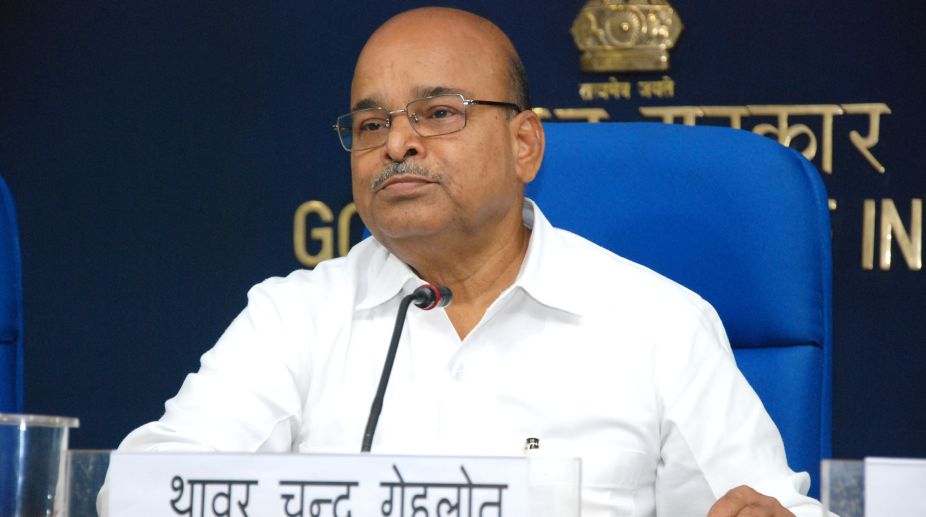
At a press meet and CSR summit on 14 December, Union Minister for Social Justice and Empowerment Thaawarchand Gehlot was the chief guest. Senior officials of Department of Empowerment of Persons with Disabilites, Ministry of Social Justice and Empowerment, were also present.

காதுகேளாதோருக்கான தேசிய தடகள போட்டி: துறையூர் மாணவனுக்கு 3 தங்கம், 1 வெள்ளி பதக்கம்

காதுகேளாதோருக்கான தேசிய தடகளப்போட்டி: தங்கப்பதக்கம் வென்ற துறையூர் மாணவர்


Fest for a special cause

15.12.2017
Salt Lake: It was like any other fest as excited participants ran around, busy with last-minute preparations. Only, it was unusually silent all around.

Exhibition stalls, games, awareness programmes and a fashion show were in store for over 400 participants at the India Deaf Expo 2017 at EZCC recently.

Ninety per cent of the guests, many of them from other countries like Korea, Tunisia, Bangladesh, Switzerland, France and America, were hearing impaired. The expo was aimed at encouraging exchange of ideas and empowering the audience.

"Not many events are organised keeping the disabled in mind. I loved interacting with so many people from around the world who share similar problems like me," said TCS employee Suvrojyoti Sur, who has a hearing impairment.

Disabled biker Shinan P.S. came all the way from Kerala, hoping to form a biking team with fellow adventure lovers.

Pune-based Zamir Dale, the founder chairman of Society for Empowerment of the Deafblind, was here to share his life story and tell the audience how he never lost hope despite losing both his hearing and visual faculties.

"I was so happy to see disabled participants enjoying themselves here. They too should have a life," Dale said. As he spoke, a group of excited participants engaged in a treasure hunt at the venue.

Organised by the Deaf Leaders Foundation, the expo was preceded by a film festival where 45 short films from around the world were screened. From romance to comedy and action to supernatural, there were films to cater to every taste.

"Most of the films were made by the disabled for the disabled. Even the cast included disabled actors. The event gave these films a much-needed platform and encouraged many others to follow their passion," said Noorain Akbar Shabbar, organising secretary of both the events.

A web designer by profession, Shabbar and his teammates spread the word through their websites and designed the slogans and posters themselves.

"We took more than six months to organise the event. Getting sponsors was the biggest block," said Prabir De Sarkar of the West Bengal Association of the Deaf in Calcutta and the president of the organising committee.

DIY generation: Hear and Now

15.12.2017
Bleewatch is a product that enables the deaf to dance on rhythm patterns. There's also BleeTV, offering education and entertainment, and AskBlee, which provides video content in Indian sign language (ISL) to users posing questions.

The idea of Blee Tech Innovations goes back to when classmates Janhavi Joshi and Nupura Kirloskar were studying at the Maharashtra Institute of Technology, Pune, and had to work on solutions for niche users.

"We selected the problem of deaf dancers," says Joshi, a trained Kathak performer.

"We developed a prototype for a wearable product that gave the hearing impaired rhythm patterns of the music through vibrations."

On getting a positive feedback, the two turned entrepreneurial with their idea in 2015.

Bleewatch is a product that enables the deaf to dance on rhythm patterns. "It aims to empower 50,000 deaf persons within the next two years," says Joshi. There's also BleeTV, offering education and entertainment, and AskBlee, which provides video content in Indian sign language (ISL) to users posing questions.

"People can ask our team questions on general knowledge, politics, current affairs or English language and get answers in ISL through creative videos," says Joshi, adding that at least 750 English words have been explained so far.

With more than 2,000 people from the deaf community regularly watching these videos, the outreach has spread across 15 states in India. "We currently run through WhatsApp, but AskBlee will soon have its first android app in order to expand exponentially," says Joshi.

People with disabilities, she adds, do not need sympathy but "more opportunities, inclusion and exposure".Their biggest challenge, though, is to develop high tech user devices that are cost-effective.

"It will be an ongoing task, but what keeps us motivated are the smiles and positive impact stories of the users," says Joshi, who, along with Kirloskar, continues to learn ISL every day from a deaf team member and dear friend.

Listening to India's hearing impaired


15.12.2017
New Delhi - Nearly two decades ago, when Shruti Gupta was diagnosed with congenital hearing loss at the age of one, her life took a dramatic turn.

Her cognitive development, speech retention and ability to respond to loud noises was impaired. Year after year, she visited a specialist to help upgrade and fine-tune her hearing aid. After a decade, she received a cochlear implant and began speech therapy and audiovisual rehabilitation.

Today, after learning from her own journey through disability, Gupta is helping others. The third-year undergraduate technology student has created an app called Jellow Communicator India to help other children who struggle with speech impairment. The app, which has been downloaded by more than 1,800 people so far, uses images and icons to help children improve their communication and speech development.

"Today I feel like any other child," Gupta told Al Jazeera, bubbling with infectious energy. "After going through the agony of hearing loss myself, I decided that there were so many other children who needed this help."

Gupta's partner, Ninaad Digital Technology, last week secured innovation fundingthrough UNICEF for the app, which took 19 months to create under the guidance of professors at the Industrial Design Centre at the Indian Institute of Technology Bombay.

Millions affected

An estimated 63 million people suffer from significant hearing loss in India. According to a study by the World Health Organization, five million Indian children were suffering from hearing and speech impairment in 2016.

Shefali Shah, a therapist who treats hearing loss, noted that there are two main types: conductive hearing loss, which affects the passage of sound in the outer and middle ear, and sensorineural hearing loss, which involves the nerves. It is necessary to differentiate between the two types in order to devise the most effective therapy.

Hearing has a huge influence on a child's development of language and contextual understanding, highlighting the importance of early intervention: "We hear primarily through our brain," Shah told Al Jazeera.

When Ritu Nakra's daughter, Ananya, was diagnosed with profound sensorineural hearing loss in 2004, Nakra began a journey of exploring new therapies and hearing aids, while becoming frustrated by the lack of modern technology and the high costs associated with treatment.

"It was a very daunting period of my life," she told Al Jazeera.

Later that same year, Ananya underwent implant surgery, and within six months she was admitted to one of Delhi's mainstream schools. Today, at 14, she excels academically, performs classical dance and takes part in extracurricular sports.

Deeply affected by her daughter's journey and the difficulties they faced in reaching this point, Nakra left her well-established career in fashion designing in 2005 to become a special educator with the Rehabilitation Council of India, a government body that monitors and regulates services for people with disabilities.

"It was important to fight against the ignorance related to hearing loss in India," said Nakra, who today conducts therapy sessions for families suffering from hearing loss.

Although India's social justice ministry decades ago launched the Ali Yavar Jung National Institute for the Hearing Handicapped in an effort to help provide jobs for the country's deaf population, experts cite the need for better data management and universal hearing tests for newborn children. People with hearing loss still suffer from social stigma, a lack of employment opportunities and inadequate rehabilitation processes.

This year, the science and technology ministry launched a low-cost screening device to detect congenital hearing loss, but it remains in the early stages of development.

Particularly in India's rural villages, there remains an awareness gap about the causes of hearing loss and how to deal with it, experts note.

''Hearing loss is not dealt [with] only through having an implant. It involves the necessary collaboration of audiologists, speech language pathologists and ENT [ear, nose and throat] surgeons,'' Shah said.


Universal screening

When Rebecca Rajukumar's four-year-old son, Nahum, underwent surgery for hearing loss, he was almost entirely deaf. During more than a month of recovery, however, he grew comfortable with high-frequency noises, as specialists worked on his cognitive development, brain processing and body language finesse.

"Now my son can have a normal life, friends, secrets and everyday little happiness,'' Rajukumar told Al Jazeera.

In India, different state governments have implemented various measures to help children with hearing loss. In Assam, for example, the Gauhati Medical College is providing funding for implants for newborns, pediatric surgeon Nirmal Bhattacharya told Al Jazeera. In Kerala, the government recently made the universal newborn hearing screening test mandatory.

Though hearing loss is a common affliction globally, experts say there are still deficiencies in awareness and the level of attention paid to this issue.

"Early intervention in hearing loss cases is needed right at the time of birth, and better data management services are needed for this process," Shah noted.